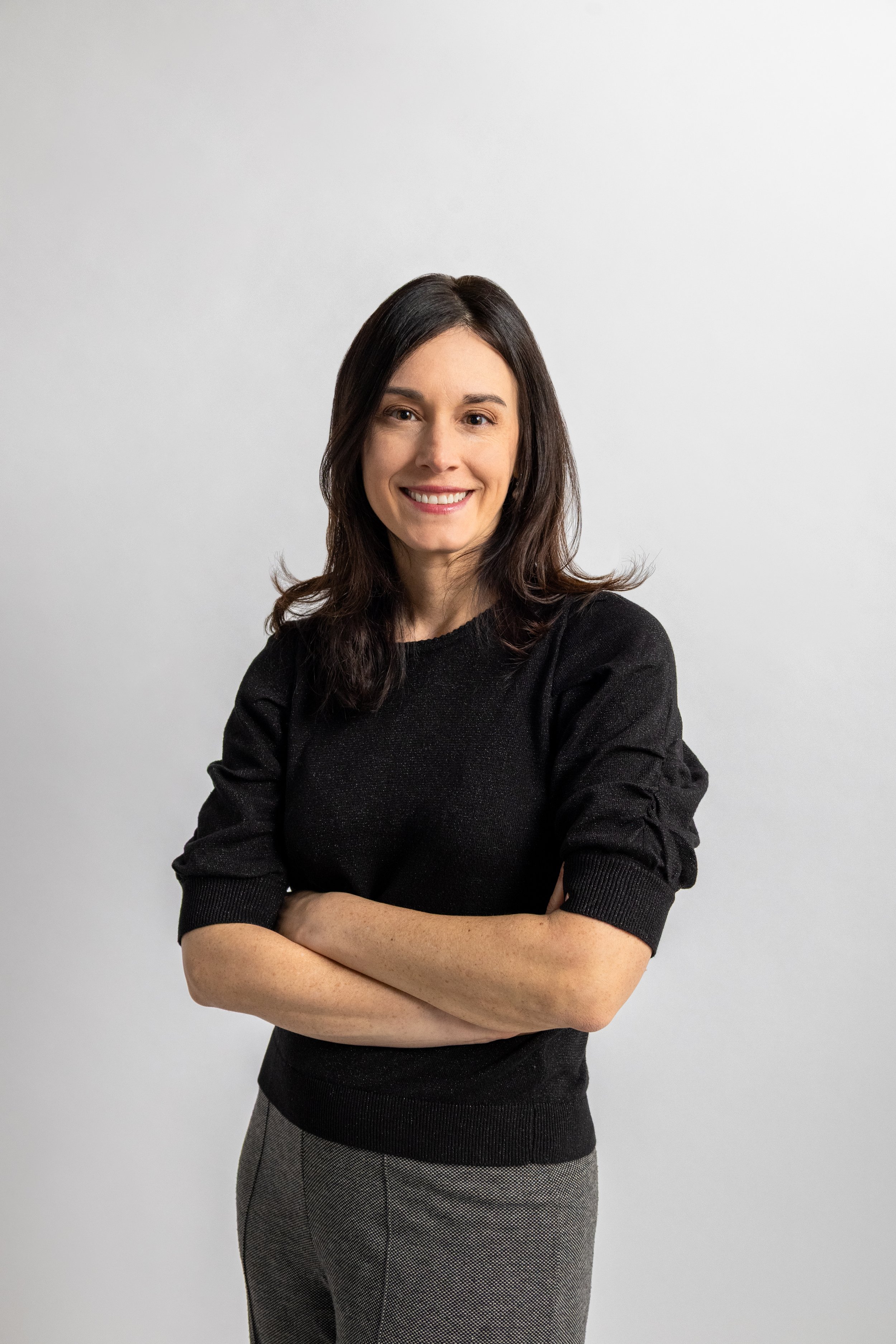
Joëlle Calce-Lafrenière
The Governance Strategist Who Understands the Boardroom From Every Angle
Joëlle Calce-Lafrenière is a board director and governance strategist who has held every seat at the leadership table: CEO, advisor, and board member.
She currently sits on two regulatory boards, including as committee chair, and works with organizations on the governance, strategic planning and risk management challenges that matter most.
C.Dir · ASC (Certified Board Director Designation) · MBA
More about Joëlle

Governance consultant and board strategist who advises boards on governance frameworks, oversight structures and board effectiveness.
Former senior executive and acting chief executive officer with leadership experience spanning communications, digital transformation, technology governance and organizational strategy.
Board director within professional regulatory organizations and chair of a Governance and Ethics Committee.
Recognized for helping organizations modernize governance models and align oversight structures with evolving strategy, risk and stakeholder expectations.
Experienced in advising boards on committee structures, director recruitment, board composition and skills matrix development.
Known for translating complex governance challenges into practical approaches that leadership teams can successfully implement.
Particularly focused on organizations operating in complex stakeholder environments, including public-interest institutions and national nonprofit organizations.
INTERVIEW with
Joëlle Calce-Lafrenière
The Governance Strategist Who Understands the Boardroom From Every Angle
Governance strategist Joëlle Calce-Lafrenière has spent her career sitting on nearly every side of the leadership table.
She became a senior leader at just 29, joined her first board of directors in her late twenties and later stepped into the role of acting chief executive officer. Today, she advises organizations on governance practices and board effectiveness, helping leadership teams and directors align strategy, oversight and governance culture.
“I am a generalist by trade,” she says. It’s a perspective that has become one of her defining strengths.
While some governance specialists approach the boardroom from a single professional discipline such as law or finance, Calce-Lafrenière brings experience from across multiple. Over the course of her career, she has held leadership roles spanning strategic communications, information technology, digital transformation and cross-functional initiatives involving HR and finance.

This gives her a rare understanding of how decisions made in the boardroom ripple throughout an organization and, as she puts it, “the sense of how everything, at the end of the day, works together.”
Today, she brings that cross-functional perspective to her work as a governance advisor. Organizations often seek her guidance at pivotal moments, whether during periods of rapid growth, major strategic shifts or situations where governance structures have not been revisited in years.
Through her advisory work, Calce-Lafrenière supports organizations at key governance inflection points, from reviewing models that need an update to helping leadership teams align governance structures with ambitious new strategies. Her work often involves modernizing governance frameworks, refining committee mandates and guiding implementation.
Her governance perspective is also informed by direct board experience within regulated environments. She currently serves as a board director for professional regulatory organizations, including the Ordre des ingénieurs du Québec and the Organisme d’autoréglementation du courtage immobilier du Québec (OACIQ). She also chaired the Governance and Ethics Committee of the Ordre des ingénieurs du Québec, advising the board on governance principles, policies and ethical practices.
In these moments, she helps organizations step back and assess whether their governance model truly supports where the organization is heading next. She believes that governance should never exist as a rigid framework detached from the realities of leadership. It needs to be practical, adaptable and implementable.
One of the most common assumptions she encounters is that improving governance requires adding more policies or layers of documentation. In practice, the opposite is often true. Boards may introduce new frameworks or reporting requirements, but if the flow of information between leadership teams and directors is strained, the improvements rarely take hold.
“You can aim to change everything,” she says, “but if the information and the way it’s presented by management is not aligned, it simply won’t work.”
In those situations, frustration can build quickly. Directors feel they lack the information needed to provide meaningful oversight, while management teams feel overwhelmed by governance processes that do not reflect their operational realities.
This is where Calce-Lafrenière steps in as an independent advisor, helping boards and leadership teams clarify roles, expectations and communication so governance can function as intended.
Her governance experience also includes reviewing board skills matrices to ensure director recruitment reflects future leadership needs, as well as supporting organizations in developing pragmatic approaches to risk oversight. She also provides guidance around innovation and technology, including the implications of artificial intelligence and how boards can harness it responsibly.
Many clients return to her as new complexities emerge, valuing her ability to quickly understand organizational dynamics and help leadership teams move forward with clarity.
The Case for Governance Culture
While governance structures matter, Calce-Lafrenière believes that an governance’s culture ultimately determines whether governance works in practice. Boards tend to perform best when directors feel comfortable asking difficult questions and leadership teams feel supported rather than constrained by oversight. Too often, organizations operate in silos, but effective governance depends on open communication.
“I love policies because they document and clarify directives, values and procedures,” she says. “But what really matters are the behaviours and the culture of openness, transparency and trust.”
For Calce-Lafrenière, governance is as much about relationships and trust as it is about frameworks and policies. She encourages boards to focus on the fundamentals: clear roles, effective oversight and strong collaboration between directors and leadership teams.
Governance That Works in Practice
Calce-Lafrenière’s background spans executive leadership, board service and governance advisory work across regulated and stakeholder-driven environments. That combination gives her a practical perspective on how governance decisions shape strategy, risk oversight and organizational performance.
Today, she works with boards and leadership teams to strengthen governance frameworks, improve oversight and ensure governance reforms translate into practice across the organization.
Looking ahead, Calce-Lafrenière is particularly interested in contributing her expertise as a board director within organizations operating in complex stakeholder environments, including crown corporations and national non-profit institutions.
STORY ANGLES FOR MEDIA INQUIRIES
1. Governance That Actually Works: Moving Beyond Frameworks to Real Implementation
Many organizations adopt governance frameworks that look strong on paper but fail to translate into practice. Drawing on her experience as a senior executive, governance advisor and board director, Joëlle Calce-Lafrenière explores why governance reforms often stall and how boards and leadership teams can build governance systems that truly support strategy and accountability.
2. The Modern Boardroom: Governing Technology, Risk and AI
Boards are increasingly expected to oversee technological disruption, cybersecurity risks and emerging tools such as artificial intelligence. This session explores how directors can strengthen risk oversight while supporting innovation, particularly in regulated and stakeholder-driven environments.
3. Rethinking Board Composition: Building the Boards Organizations Will Need Tomorrow
As organizations face new strategic challenges, many boards are reassessing how they recruit and structure leadership at the governance level. This topic explores how boards can rethink director recruitment, committee structures and skills matrices to prepare for future risks and opportunities.